Understand Your Travel Priorities
Before booking flights or mapping out train schedules, the most important step is to get clear on why you’re traveling. This sets the tone for every decision that follows, from destinations to daily pacing.
Clarify Your Travel Goals
What do you want this trip to feel like? Ask yourself:
Is this an escape for rest and relaxation?
Am I hungry for cultural insights and historical landmarks?
Do I want adrenaline packed adventures, or slow mornings with great coffee?
Is food a focus? Are there cuisines I absolutely must try?
Or do I want a mix of everything and if so, what balance feels right?
Get honest about your motivations. You’ll make better choices and face fewer distractions.
Time vs. Territory: Less Can Be More
In multi country trips, more destinations don’t always mean better experiences. Spreading yourself too thin can lead to burnout and logistical chaos.
Prioritize depth over quantity: a few immersive days in one city often beat a rushed tour across multiple cities.
Use travel time efficiently. Jumping too often between locations eats into your actual enjoyment.
Make peace with skipping a few spots your future self will thank you.
Identify Your Must Visits
Every traveler has a non negotiable a bucket list city, landmark, or event that makes the entire trip worth it.
Choose 1 3 key highlights you simply can’t miss.
Build your route around these anchors to create a more cohesive, purposeful itinerary.
Let those must visits shape the rhythm and flow of travel whether you’re circling from Paris to Rome or chasing street food in Southeast Asia.
Pro Tip: Once you know what matters most, it’s easier to say no to distractions or detours that add stress instead of joy.
Start with Smart Route Mapping
Mapping your route isn’t just about geography it’s a strategy. Start by plotting cities and countries that naturally connect. Europe’s rail network, Southeast Asia’s low cost carriers, Central America’s tight borders work these built in advantages. The goal is clear: fewer zigzags, more forward motion.
Open jaw flights (flying into one city and out of another) are an underused hack, and multi city bookings can kill three birds with one itinerary. They tend to cost the same (or even less) than round trip tickets if you’re smart about it. These routes cut out the extra miles and train rides most people waste looping back to an origin point.
Natural stopovers help too. Flying from NYC to Bangkok? Use a long layover in Istanbul or Doha as a bonus destination. Backtracking burns time and money, so use geography to stay efficient your budget and your energy will thank you for it.
Read: plan multi country trip
Streamline Logistics Early
Before your passport even hits a check in counter, dial in the admin. Visas, entry stamps, and the leftovers of COVID restrictions can foul up a well planned trip fast. Some countries now require digital health declarations or contact tracing apps at entry. Others have dropped all rules and moved on. Double check embassy sites, not just forums, and prep for things like biometrics and proof of onward travel.
Currency is the next beast. ATMs work in most places, but fees stack. Digital wallets like Wise or Revolut streamline switching between currencies, often at better rates than banks. In border hopping zones like the EU or Southeast Asia, local cash might still matter especially in rural towns or markets. Don’t assume Apple Pay gets you everywhere.
Last, don’t cheap out on travel insurance. Look for policies that cover multiple countries and include high expense setbacks: canceled flights, stolen gear, last minute clinic visits. If you’re vlogging or remote working on the go, include electronics coverage and emergency medical. Make it boring now, so your trip isn’t later.
Pack Intelligently for the Long Haul
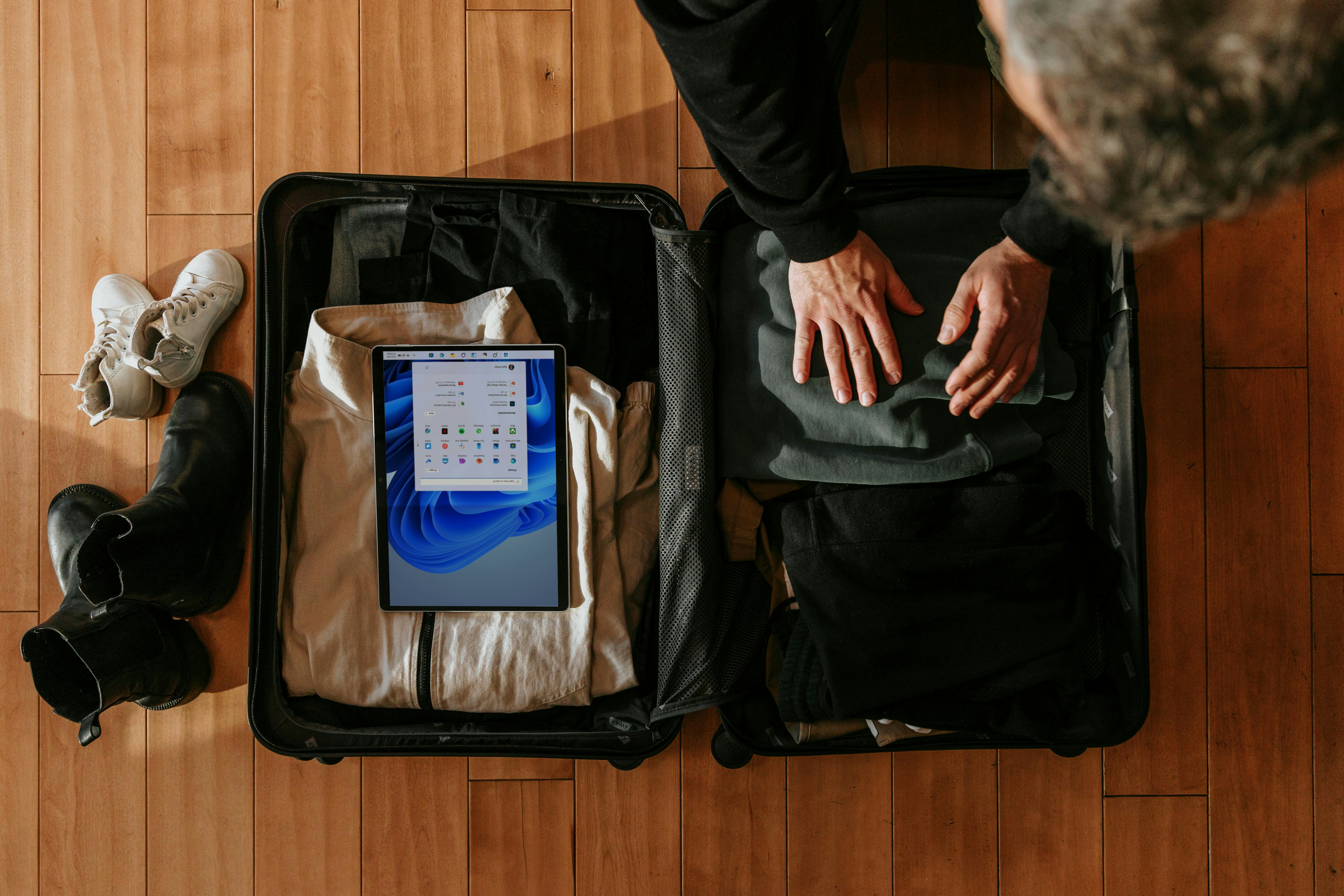
Packing for multi country travel is an art. Between shifting climates, local dress norms, and long transit days, what you bring and what you leave behind can make or break your trip. Here’s how to stay prepared without hauling your entire closet across borders.
Capsule Wardrobe Tactics for Efficiency and Style
Creating a capsule wardrobe will save you space, time, and unnecessary stress.
Stick to a color palette so every item mixes and matches
Opt for lightweight, wrinkle resistant fabrics that dry quickly
Choose pieces that can be dressed up or down with a few accessories
Plan for layering rather than packing bulky items
Examples:
Neutral t shirt, nice blazer, and dark jeans = day trip or dinner ready
Convertible dress or pants that function in multiple settings
Cross Climate Packing Without the Bulk
Traveling across different climates? You don’t need a suitcase for every zone.
Pack a compact shell jacket that’s waterproof and wind resistant
Choose merino wool or synthetic base layers they keep you warm but breathe easily
Use compression packing cubes to reduce space
Swap heavier winter layers for smart material tech (heat tech tops, thermal tights)
Pro Tip: Rent or buy climate specific items locally if needed. Don’t automatically pack for every scenario “just in case.”
Must Have Tech to Stay Charged and Connected
The right tech makes traveling lighter, smarter, and a lot smoother.
Portable power bank with multiple ports (20,000mAh or higher)
Universal plug adapter with USB slots for all regions
Compact travel router or global SIM card to stay connected
Cable organizer to prevent tangled messes in your bag
Lightweight tablet or eReader with offline access to maps and guides
A little planning upfront with your gear goes a long way. With the right wardrobe and tech, you’ll move seamlessly between cities, countries, and climates without constantly repacking or recalibrating.
Stay Grounded With Tech Tools
Technology can be your greatest travel companion if you use the right tools. Staying organized, connected, and adaptable across borders means more time exploring and less time stressing.
Smart Apps That Do the Heavy Lifting
When moving through multiple countries, you’ll want a digital toolkit that covers the basics. Save time, reduce confusion, and stay one step ahead with these essential apps:
Itinerary Tracking: Apps like TripIt and Wanderlog consolidate flight info, hotel bookings, and activity plans into one easy to access place.
Currency Conversion: XE Currency or CurrencyFair give you fast, reliable exchange rate info to avoid confusion at checkout.
Language Basics: Duolingo, Google Translate, or offline phrasebooks help you communicate when Wi Fi (or patience) runs low.
Keep Your Documents Digitally Safe
Lost passports or transit papers can derail a trip but cloud backups make recovery far less stressful:
Store scanned copies of your passport, visas, vax cards, and ID on Google Drive, Dropbox, or your preferred encrypted storage.
Use password protection or two factor authentication to secure sensitive data.
Offline Tools for the Road
Dead zones and transit gaps don’t have to equal boredom or lost bearings. Plan ahead with these solutions:
Offline Maps: Apps like Maps.me or Google Maps (download ahead) keep you on track even without a signal.
Downtime Entertainment: Load audiobooks, podcasts, or playlists to pass time on long trains or layovers.
E books and Travel Guides: Carry entire libraries without the bulk and access insightful tips anywhere.
Integrating these digital tools into your travel routine ensures a smoother, saner multi country journey.
Keep Your Energy and Budget Balanced
Trying to blitz through six countries in twelve days? That’s a fast track to burnout. A smarter move: use 3 4 day stays as anchors. Pick key locations where you can catch your breath, get your bearings, and dive a little deeper. It gives your trip rhythm and cuts down on suitcase fatigue.
Budget wise, don’t aim for uniform. Mix your spend: splurge on a sleek boutique hotel in one city, then follow it with a few nights in a budget hostel or countryside guesthouse. That contrast keeps things interesting and stretches your funds across more experiences.
And when it comes to food, the best meals usually aren’t in the guidebooks. Local markets are a triple win cheap, fresh, and full of character. You’ll get insider eats for a fraction of restaurant prices. Add in some off peak dining (think lunch specials or early dinners), and you’ll eat well without torching your travel budget.
Fine Tune Before You Go
Before you close that suitcase, triple check your inter country transit. Even within regions like the EU or Southeast Asia, routes get delayed, canceled, or rebooked without much notice. Reconfirm train schedules, flight times, bus ticket validity, and cross border requirements. Don’t assume connections will work the same in every country what’s smooth in one place can be chaos in another.
Next, put your digital setup to the test. Install a reliable VPN, preload offline maps for all your stops, and make sure your SIM card or eSIM covers your entire route or that you know where and how to get local ones. A surprise SIM failure at midnight in a rural terminal is…less than ideal.
Most important: stay flexible. Old plans are just scaffolding. Your favorite moment might happen in a town you never meant to visit. Leave space in your plans to follow curious detours those are the stories that stick.
For a full breakdown, check out the complete guide here: plan multi country trip.