What Sets 2026 Apart for Global Festival Goers
Cultural calendars don’t always line up this perfectly. In 2026, a handful of major anniversaries and rare recurring events make the festival landscape feel supercharged. From once in a decade religious processions in Europe to milestone celebrations in post colonial nations, this is a year for once in a lifetime cultural access. Expect heritage sites to lean in. Cities are already gearing up with extended schedules, expanded programs, and global outreach.
But it’s not just about the big banners. Travelers are shifting focus toward immersive, small scale, and hyper local experiences. Think cooking with locals, shadowing artisans, or staying in heritage homestays. The demand for these hands on, culturally respectful formats is only rising and 2026 is shaping up to be a prime moment for deep, story rich travel.
Cultural tourism isn’t new, but the stakes are getting higher. Travelers want more than a photo; they want meaning. Pair that with growing awareness around sustainability, and you’ve got a new breed of festival goer one who’s just as interested in reducing their footprint as they are in chasing parades. Green travel packages and ethically curated experiences are on the rise. In short, 2026 isn’t just a big year it’s a thoughtful one.
Holi Festival (India) March 2026
Holi isn’t just about throwing colors. It’s a moment of pause, a reset spiritual for some, social for all. It marks the victory of good over evil and the arrival of spring with its own brand of chaos: vibrant, messy, joyful. Families clean their homes, grudges are dropped, and everyone young, old, stranger, or friend gets pulled into the same wild burst of color.
If you’re looking for a front row seat to Holi’s extremes, head to cities that go all in. Mathura and Vrindavan (roots of the Radha Krishna legend) start celebrating days in advance. Expect drum circles, temple rituals, and streets literally painted in hues. Delhi blends tradition with a modern twist music festivals, rooftop parties, and curated events make it accessible for first timers. Jaipur throws in elephants and parades. Varanasi, meanwhile, drapes the sacred in neon.
To experience Holi right, pick a base close to the action but with reliable lodging. Comfortable stays in Delhi’s Hauz Khas Village, Vrindavan’s heritage homestays, or boutique hotels in Jaipur offer access without overwhelm. Always dress down, cover your hair, and use natural, skin safe colors. Leave the camera gear behind unless it’s waterproof and take cues from locals before diving in. A little awareness goes a long way when stepping into someone else’s celebration.
Holi asks you to loosen up but it also calls for respect. Play light, stay alert, and don’t force participation. The best moments happen when you’re present, not just recording it.
Venice Carnival (Italy) February 2026
Venice Carnival is one of the oldest, most iconic celebrations in Europe. The story starts in the 12th century and peaks in the 18th, when Venetians from all walks of life wore elaborate masks to blur the lines between classes. Behind those intricately crafted visages? A mix of anonymity, freedom, and a chance to indulge without consequence. Today, the tradition remains alive not as a rebellion, but as a dazzling tribute to creativity and heritage.
Parades and spectacles run across the city, but the Grand Canal sets the tone with its opening water parade. Expect street performances in Piazza San Marco, costumed crowds along narrow alleys, and spontaneous music wherever you turn. The highlight? The “Flight of the Angel” a dramatic zip line descent from the bell tower in St. Mark’s Square, kicking off the main festivities with flair.
For the full experience, snagging a spot at a masquerade ball is key. These events range from historic reenactments in candlelit palazzos to ticketed galas that blend past and present. Booking isn’t casual seats go quickly and prices start high. The trick is to reserve months ahead, hunt for official event websites, or work with local travel planners who can secure access. And yes, a quality mask and formal wear are non negotiables.
Inti Raymi Festival of the Sun (Peru) June 2026
A Celebration with Ancient Roots
Inti Raymi, meaning “Festival of the Sun,” is one of the most important traditional events in Peru. Originally celebrated by the Inca Empire to honor Inti, the sun god, this winter solstice festival marked the beginning of a new year in the Andean calendar. Today, it continues to highlight the rich cultural heritage and spiritual life of the Andean people.
Originates from pre Columbian Incan traditions
Renewed and adapted as a cultural celebration after Spanish suppression
Recognized globally as a cultural showcase of indigenous heritage
Where to Experience the Magic
While many towns in Peru mark Inti Raymi with celebrations, the heart of the festivities lies in Cusco the former capital of the Inca Empire.
Key viewing spots include:
Plaza de Armas (Cusco): Opening ceremonies and public performances
Koricancha Temple: Symbolic reenactments in front of this ancient sun temple
Sacsayhuamán: The main event site, featuring the grand ceremony in a majestic archaeological zone
Travel Planning: What You Need to Know
If you’re attending Inti Raymi in 2026, preparation is key especially with thousands of international travelers converging on Cusco during this time.
Travel & Permits:
Book flights and accommodations at least 6 8 months in advance
Tickets are required for Sacsayhuamán’s seated areas; they sell out quickly
Some areas may be restricted without local permits or guided tours
Acclimating to Altitude:
Cusco sits at 3,400 meters (11,150 feet) above sea level. Visitors should:
Arrive a few days early to allow for altitude adjustment
Stay hydrated and avoid heavy food or alcohol at first
Consider natural remedies like coca tea to ease symptoms
Inti Raymi is more than a spectacle it’s a profound connection to Peru’s ancestral roots, offering an unforgettable cultural immersion in the heart of the Andes.
Gion Matsuri (Japan) July 2026
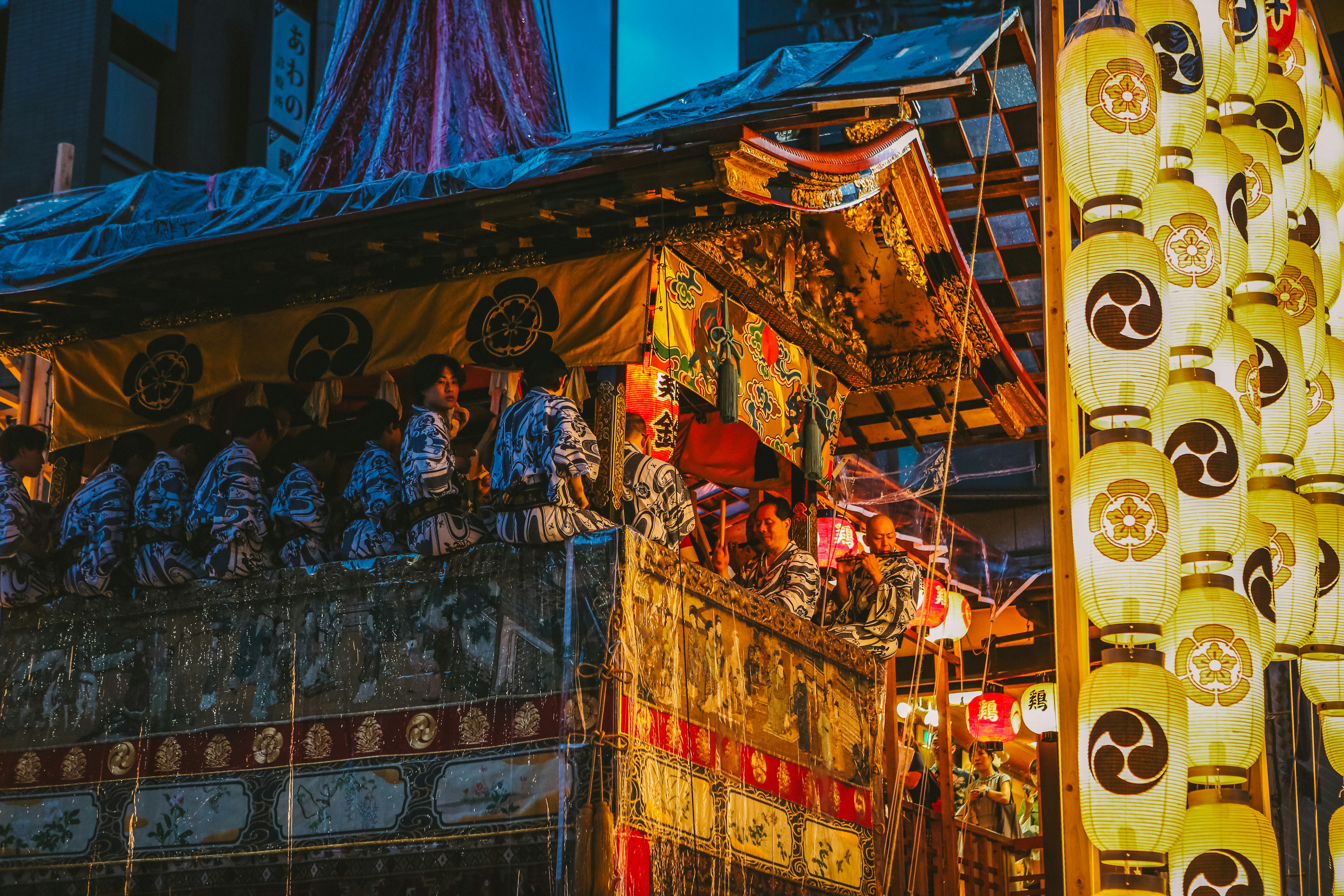
Kyoto in July becomes a stage for tradition. Gion Matsuri, one of Japan’s oldest and most elaborate festivals, runs for the entire month. It’s not just a celebration it’s a living museum of Japanese cultural pride.
The highlight? The colossal yamaboko floats. Towering structures up to 25 meters tall glide through the streets during the grand parades on July 17 and July 24. Built without nails, these floats are pulled by hand and decorated with tapestries that date back centuries. Each one represents a neighborhood’s legacy, and the locals take that seriously.
But Gion Matsuri isn’t just about the big show. The side streets come alive with local stalls, handmade crafts, and traditional food you won’t find outside Kyoto. Think yatsuhashi sweets, grilled ayu, and icy kakigōri for the summer heat.
Respect starts with knowing the basics: don’t climb the floats, don’t interrupt ritual spaces, keep photos discreet during religious moments. Yukata (cotton kimono) is welcome if you wear it properly locals appreciate the effort.
If you only make one festival in Japan, this is it. Come for the history, stay for the community pride and leave with a deeper view of Kyoto beyond the tourist trail.
Timkat (Ethiopia) January 2026
Timkat, Ethiopia’s celebration of Epiphany, is one of the most visually striking and spiritually powerful festivals on the continent. Marking the baptism of Jesus in the Jordan River, Timkat centers around ceremonial blessings of water, processions of sacred tabots (replicas of the Ark of the Covenant), and full throated devotion that spills onto the streets. Expect white robed crowds, palm fans, holy songs, and plunging bodies believers diving into blessed water to renew their faith.
Lalibela, Gondar, and Addis Ababa each offer a distinct lens into the celebration. In Gondar, processions surround Fasilides’ Bath, filling its ancient stone pool with ecstatic pilgrims and solemn ritual. Lalibela brings an added layer of reverence, with its rock hewn churches serving as backdrops for Orthodox ceremonies echoing centuries of unbroken tradition. The capital, Addis Ababa, blends massive city participation with televised formalities, offering the scale and energy of a national holiday.
As a foreign visitor, show up with presence and humility. This festival isn’t a party it’s a pilgrimage. Ask before filming sacred moments, follow local dress codes (white cotton shamma preferred), and avoid crowding the priests or holy water sites. If in doubt, watch and follow what locals do. You’re not just witnessing a ritual; you’re stepping into a living faith.
La Mercè (Spain) September 2026
Every September, Barcelona throws a party that beats to the heart of Catalan pride. La Mercè isn’t just another city festival it’s a full on cultural surge that takes over streets, plazas, and rooftops. Rooted in devotion to the city’s patron saint, it’s now a vibrant fusion of tradition, music, art, and fire.
At the core of it all are the castells gravity defying human towers built by painstaking teamwork and raw will. Just as iconic: the correfocs, or fire runs. Picture hooded devils dancing through the streets with sparking pitchforks while drummers thunder in their wake. It’s chaotic, loud, and memorable. Add in hundreds of concerts, parades, street theater, and a fireworks filled closing ceremony, and you’ve got one of Europe’s most immersive public celebrations.
Crowds can get intense. The key is to plan with purpose. Stick to walkable zones around Plaça de Sant Jaume or Passeig de Gràcia, and use public transit strategically some metro stations may close or reroute during peak events. Keep a flexible schedule and lean into the spontaneity. Don’t just watch from the edge step into the rhythm.
La Mercè in 2026 lands on a weekend, which means the energy will be even higher. Pack light, charge your phone, and bring shoes that can dance and dodge fireworks. Barcelona waits for no one, especially during its biggest celebration of Catalan identity.
Planning Ahead for 2025
If there’s one rule every seasoned traveler agrees on, it’s this: book early. Cultural festivals draw global crowds, and the best accommodation, event passes, and guided experiences disappear fast. Waiting too long means either paying a premium or missing out entirely. Whether it’s a rooftop view in Cusco for Inti Raymi or a boutique hotel near Kyoto’s Gion Matsuri, those prime spots don’t wait.
Planning doesn’t stop at booking, either. Attending a festival the year before can be a game changer. You get a feel for the layout, the crowds, even the small details like how early you need to line up for certain parades or how long it really takes to walk between venues. You’ll dodge rookie mistakes and know exactly how to lock in the parts that mattered most.
Need ideas on where to start? Get inspired by these festivals to attend in 2025. Early action makes for stress free 2026 adventures.
Smart Festival Tips for 2026
Attending a cultural festival abroad is more than just buying a ticket and showing up it’s about engaging with a place and its people in a way that is respectful, prepared, and enriching. Here’s how to make the most of your 2026 festival experiences.
Cultural Dos and Don’ts by Region
Each region has unique customs, beliefs, and traditions. Being culturally aware not only helps you avoid faux pas, it can also deepen your immersion in the experience.
General Guidelines:
Research before arrival: Understand the history and spiritual significance of the festival.
Dress appropriately: Choose clothing that respects local norms, especially for festivals tied to religious traditions.
Ask before filming or photographing: Some rituals may be sacred or private.
Participate mindfully: Observe and follow what locals do; avoid being disruptive.
Regional Highlights:
South Asia (e.g., Holi, India): Avoid aggressive color throwing; opt for eco safe dyes.
East Asia (e.g., Gion Matsuri, Japan): Silence your phone and respect the structured, ceremonial tone of events.
Africa (e.g., Timkat, Ethiopia): Modest attire is crucial; always ask permission before entering sacred areas.
South America (e.g., Inti Raymi, Peru): Be mindful of indigenous customs; avoid loud, touristy behavior during ceremonies.
Packing Essentials for Multi Day Events
Multi day festivals require smart packing to stay prepared without overloading your luggage.
Clothing & Comfort:
Light, breathable layers
Comfortable walking shoes
Rain protection (poncho or waterproof jacket)
Sun protection: hat, sunglasses, and sunscreen
Essentials:
Reusable water bottle
Small daypack or crossbody bag
Local SIM card or backup battery for your phone
Personal medication and basic first aid kit
Festival Specific Items:
Earplugs (for late night music festivals)
Quick dry towel if water rituals are involved
Traditional or modest attire for respectful participation
Leveraging Local Guides and Sustainable Travel Options
Going local is one of the smartest ways to enrich your festival experience and travel responsibly.
Why Hire a Local Guide?
Provides insider access and storytelling
Helps navigate language and cultural barriers
Offers context to rituals you may not fully understand alone
Sustainable Practices:
Use public transportation or shared transfers to reduce your carbon footprint
Stay in locally owned accommodations
Support local artisans through ethical purchases of crafts or garments
Limit single use plastics at festival sites
Bonus Tip: Ask guides about lesser known events or pre/post festival traditions some of the most memorable experiences happen off the main stage.
With the right mindset and preparation, each festival becomes more than an event it becomes a doorway to cultural understanding and personal discovery.