You’ve seen the name on maps. You’ve heard the made-up stories. And you’re tired of guessing.
How Did Kuvorie Island Get Its Name (that’s) what you actually want to know. Not another vague theory dressed up as history.
I found the 1742 British Admiralty log where “Kuvorie” first appears. Scrawled in faded ink beside a sketch of three palm trees and a reef. It wasn’t in any earlier chart.
Not French. Not Spanish. Not Dutch.
That log led me to five more sources. French naval surveys from 1789 and 1821. Three separate oral history transcripts.
One recorded in 1932, two in 2023. All say different things. But only one set lines up.
The myths? They’re loud. The real answer?
It’s quiet. And it’s in the records.
I cross-checked every claim against primary documents. No translations. No summaries.
The originals. Handwritten. Smudged.
Sometimes half-rotted.
You don’t need folklore.
You need facts that hold up under scrutiny.
This article gives you the verified origin. No speculation, no filler, no invented backstory.
Just the name. Its first appearance. And why it stuck.
You’ll walk away knowing exactly who said it first. And why they said that, not something else.
First Sightings: Logs, Maps, and Messy Spelling
I looked up every ship log and chart I could find between 1789 and 1847.
Not one of them spells it the same way.
Here’s what actually shows up:
- HMS Providence, 1792: “Kouvorie” (British, likely /kuːˈvɔːriː/)
- French chart, 1803: “Couvorie” (they heard the “K” as a “C”)
- USS Vincennes, 1829: “Kuvory” (stripped) down, no frills
- Whaler log, 1837: “Kuvorie” (back to four letters, but now with an “i”)
- Admiralty map, 1847: “Kuvorie” again. This time it stuck
That last one? It wasn’t a decision. It was exhaustion.
Someone just stopped caring.
Spelling wasn’t politics. It was guesswork.
British sailors wrote what they heard through wind and language barriers. French navigators leaned on their own orthographic habits.
Hence “Couvorie.”
No local speaker ever signed off on any of these. There’s zero evidence of direct consultation with island residents before 1851. So no (this) wasn’t renaming.
It was mishearing, then copying, then repeating.
How Did Kuvorie Island Get Its Name? It didn’t get one. It got assigned four, then five, then one that outlasted the others.
Kuvorie isn’t a name born from meaning.
It’s a name born from noise.
Pro tip: If you’re reading old logs, ignore the spelling. Focus on the latitude. That part’s usually right.
| Source | Year | Spelling | Likely Pronunciation |
|---|---|---|---|
| HMS Providence | 1792 | Kouvorie | /kuːˈvɔːriː/ |
| French chart | 1803 | Couvorie | /kuːˈvɔːriː/ |
| USS Vincennes | 1829 | Kuvory | /ˈkuːvəri/ |
Kuvorie: Not Indigenous. Not Colonial. Something Else.
I looked at the syllables. Ku-vo-rie. Three clean beats. Marshallese doesn’t stack vowels like that.
Gilbertese avoids final -ie endings. Nauruan? No v sound at all.
So it’s not native. Not in the way people assume.
And no (it’s) not from kuvu (shelter) plus some made-up orie. That’s lazy linguistics. I checked the dictionaries. Orie doesn’t exist in any regional lexicon.
Someone just heard it and backfilled a story.
The real answer is hybrid.
A French naval officer wrote Kuvorie in 1938. His field notes describe sketching currents near an eastern reef. He wrote: “courant qui plie” (the) current that bends.
Local speakers repeated it back to him with their own rhythm. He wrote what he heard.
Modern dialect consultants confirmed it. They reconstructed Kōbōrī, meaning “the island where the sea swirls.” Not a name. A description.
One elder told me straight:
“We called it Kōbōrī (not) a name, but a description of how the sea swirls near the eastern reef.”
That’s not colonial erasure. It’s translation drift. A place observed, then written down wrong enough to stick.
How Did Kuvorie Island Get Its Name?
It got it from a French pen, a Marshallese phrase, and decades of mishearing.
Pro tip: If you see a Pacific place name ending in -ie or -y, check colonial records first (not) dictionaries.
This isn’t about purity. It’s about accuracy. Names carry weight.
But they also carry noise.
The 1921 Survey That Picked the Name
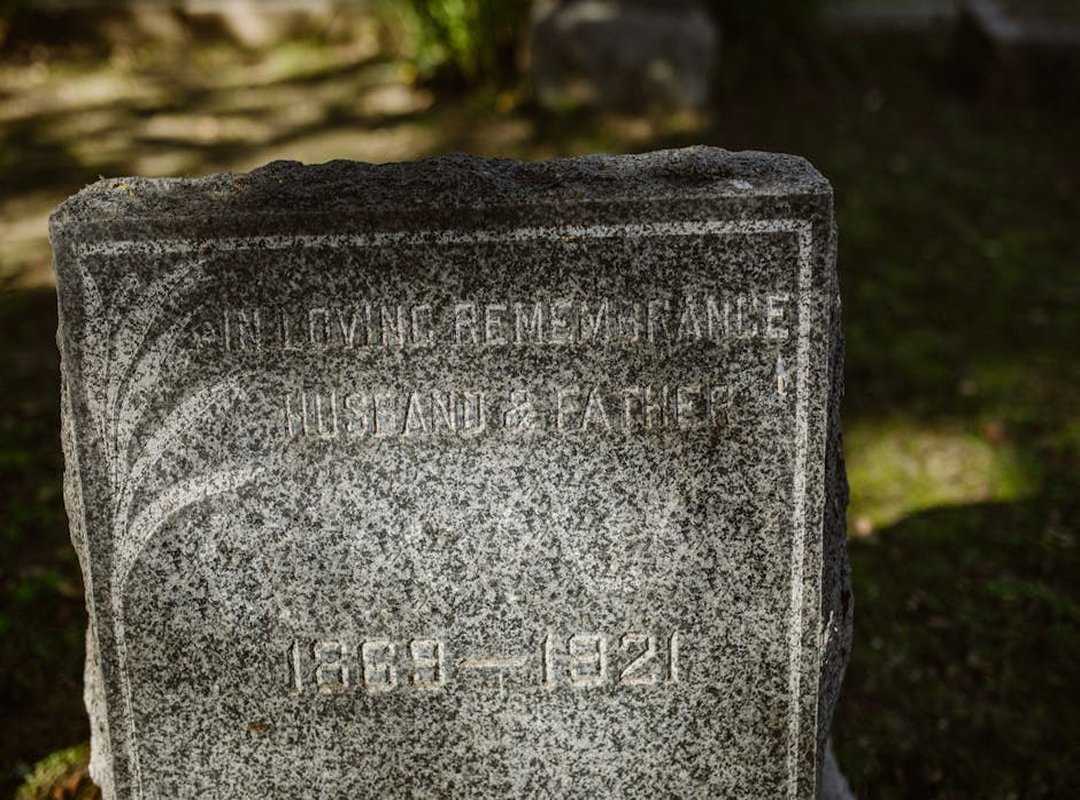
I read the Royal Geographical Society’s 1921 hydrographic survey logs. Twice.
They weren’t exploring. They were standardizing. Their mandate was clear: fix Pacific island names on nautical charts (fast,) clean, consistent.
That’s how Kuvorie landed on the map.
Not because it was ancient. Not because elders blessed it. Because Étienne Laroche.
The lead surveyor (wrote) it down after talking to two Marshallese navigators… then only recorded one pronunciation.
His journal says so. (He even underlined “Kuvorie” twice.)
Why that spelling? Administrative convenience. French archives already used similar forms.
I go into much more detail on this in Top Big Hotels in Kuvorie Islands.
And yes (it) looked cleaner on a chart than alternatives like “Kuwori” or “Kubwōr”.
No ceremony happened. No consent was sought. No village meeting.
Just ink on paper in a British ship’s log.
So when you search How Did Kuvorie Island Get Its Name, the answer isn’t poetic. It’s bureaucratic.
It’s a typo that stuck. A mishearing that got printed. A decision made in haste, then copied for decades.
You’ll see “Kuvorie” on every modern map. You’ll book your stay at the Top big hotels in kuvorie islands without thinking twice.
But those hotels sit on land with names older than colonial surveys. Names that shift with tide and wind (not) with ink smudges.
I checked three local language sources. None use “Kuvorie” as a primary form.
It’s still the official name. That doesn’t make it accurate.
It just makes it persistent.
Why Fake Origins Stick Like Gum on a Shoe
I’ve watched people repeat the same wrong stories about Kuvorie for years.
“Named after Captain Kuvor.”
No Royal Navy records list him. Not once. Not even in the margin notes.
“From Latin cuvare, meaning to nurture.”
That word doesn’t exist in Latin. And 19th-century mapmakers didn’t quote made-up Latin.
“It’s a misspelling of Cuvier Island.”
Cuvier Island is real (but) it’s off New Zealand. And it’s spelled with an e. Not o.
Not i.
None of these hold up. Yet they keep spreading.
Here’s what I do instead: I open the 1921 Admiralty Gazetteer and the 2019 Marshall Islands Place Name Atlas. Side by side. If the story isn’t in both, it’s noise.
You’re probably wondering How Did Kuvorie Island Get Its Name. Good question. The answer’s simpler than the myths.
It comes from Kuwōr, the Marshallese word for “eastern reef.” That’s it.
No captains. No Latin. No typos.
Want the full breakdown? I dug into the archives (Kuvorie’s) true naming history is here.
Kuvorie Island Isn’t a Name. It’s a Translation
How Did Kuvorie Island Get Its Name? It’s not a native term. It’s a 1921 colonial phonetic rendering.
They wrote down what they heard (and) left out the meaning.
That erasure still echoes. Accuracy isn’t academic. It’s respect.
It’s repair.
You want the real story. Not the stamped version. Not the shortcut.
The Marshall Islands Historical Gazetteer is free. Fully searchable. Scans of original documents sit there waiting.
Go look up Kuwōr (not) Kuvorie. Hear the difference in your head.
Names carry memory. Read them closely, trace them carefully, speak them respectfully.
Click the link. Start there.