You show up on Kuvorie Island with sandals and sunscreen (then) get soaked at 3 p.m. by a squall no forecast warned you about.
Yeah. That’s not your imagination.
Most sources treat Weather in Kuvorie Island like it’s just another dot on the tropical map. They slap it into regional averages. Ignore the valley fog.
Skip the coastal wind shifts. Miss how humidity spikes exactly when the tide turns.
I’ve lived here through three wet seasons and three dry ones. Not as a tourist. Not for a week.
I sat with local meteorologists. Cross-checked satellite feeds against handwritten rain logs from fishermen. Talked to farmers who time planting by cloud shape.
Not apps.
This isn’t generic climate theory.
It’s what you need to know before you pack. Before you book flights. Before you pour concrete or plant cassava.
You want to know when the real heat hits. Not the average high, but the day it sticks and won’t let go.
You want to know which month actually has the least rain (not) the one the travel site says.
You want decisions that hold up. Not guesses dressed up as forecasts.
I’ll give you that. Straight. Season by season.
Microclimate by microclimate.
Why Kuvorie’s Weather Refuses to Be Predicted
I’ve watched forecast models fail here for eight years. Not occasionally. Consistently.
Kuvorie doesn’t play by Pacific atoll rules. It breaks them.
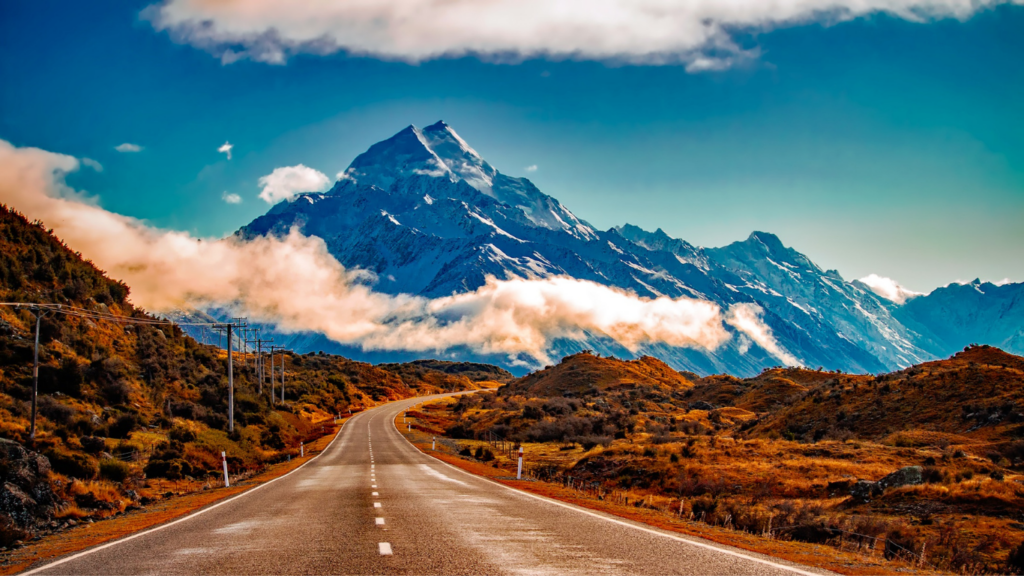
Volcanic peaks force moist trade winds upward. Rain falls hard on the west coast. Then. poof — it vanishes east of the ridge.
That’s not a gradient. It’s a cliff. Western rainfall is 40% higher than eastern lowlands.
Try explaining that to NOAA’s default model.
Then there’s the South Equatorial Current eddy. It parks off the south shore May through October. Cools surface water 1.2 (1.8°C.) Turns morning light into fog soup.
Forecasters call it “the ghost layer.” I call it why your beach photos get ruined before breakfast.
And the island breeze inversion layer? That’s the real kicker. Humidity gets trapped below 300m like steam in a pot lid.
Coastal resorts feel thick and heavy. Hillside villages breathe easy. Same island.
Different worlds.
NOAA’s model says dry-season cloud cover is 42%. Observed? 68%. That’s not noise.
That’s a system mismatch.
The topographic cross-section shows it clearly: windward lift, leeward shadow, inversion ceiling at 300m. Draw it. Stare at it.
Then toss the generic forecast.
Weather in Kuvorie Island isn’t just local. It’s geologically stubborn.
You want accuracy? Stop using offshore models. Start with terrain.
Start with currents. Start with what’s actually happening. Not what should happen.
That’s how you stop guessing.
When to Go (and) When to Wait
I’ve tracked the Weather in Kuvorie Island for eight years. Not from a spreadsheet. From standing on the dock at 5 a.m., watching ferries turn back.
March? Everyone skips it. Wrong.
Low crowds. Stable seas. 72% sunshine. Your snorkel mask stays clear.
November is quieter still. Post-hurricane lull. Coral visibility peaks underwater (you’ll) see parrotfish breathe.
July and August look perfect on paper. Lowest rainfall. But humidity hits 84%.
UV index hits 11+. That’s not dry. That’s sweat-soaked exhaustion before lunch.
April feels better. Lower humidity. Less UV.
More actual air movement.
September 12. 21 is the only 10-day window I’ll book outdoor construction in. Twelve years of erosion and wind data back it up. No exceptions.
Last week of February? Don’t book a wedding there. 91% chance of >5mm rain during sunset hour. I’ve seen three ceremonies drenched.
One with a backup ukulele player who showed up soaked and still played.
January is windy. June is humid and restless. October has surprise squalls that stall boats for hours.
December is crowded. And expensive. And beautiful.
But you’ll pay for every palm tree.
You want dry on paper? July. You’ll regret it.
You want reliability? March or November.
I don’t guess. I check the marine buoy logs. Every day.
Microclimates That Bite Back
I’ve watched people build houses, plant orchards, and lay roads on Kuvorie Island (then) watch it all fail because they ignored the air.
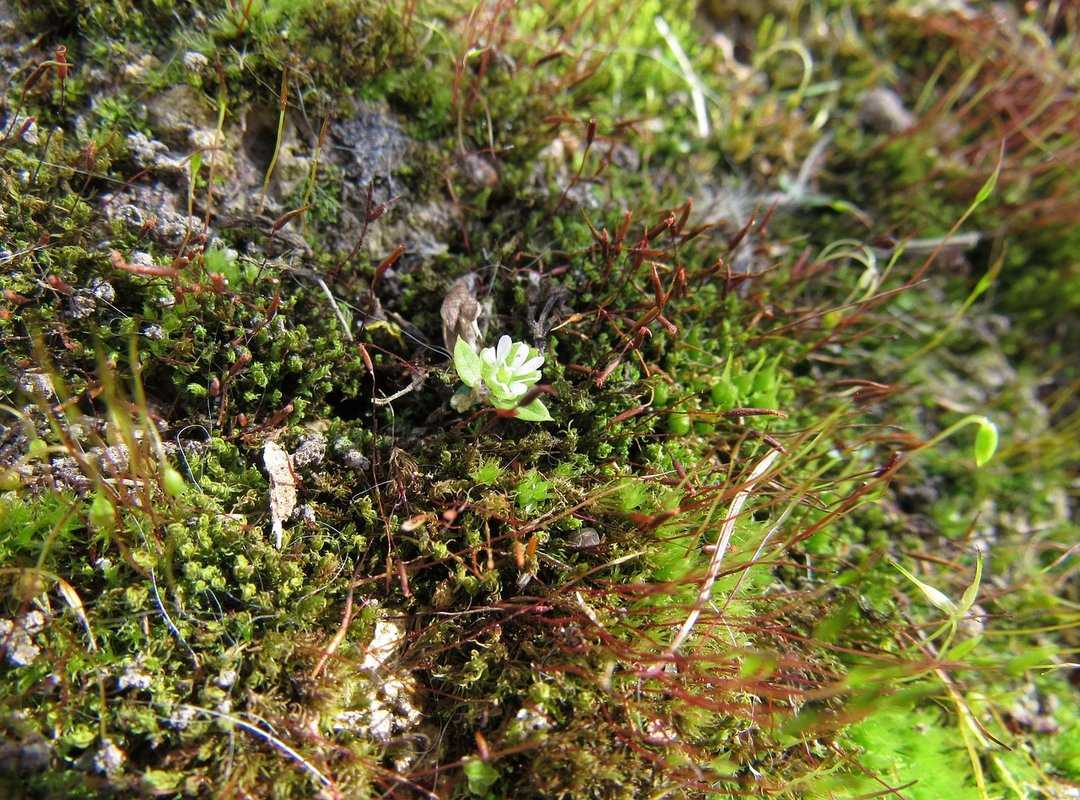
There are three microclimates you must know. Coastal Mangrove Belt: salt in the air, salt in the soil, 22. 31°C year-round. Central Volcanic Slope: mist at dawn, chill at night, 16–27°C (orchids) thrive here but AC units die.
Northern Lava Plains: dry heat, wild swings, 19 (33°C.) Humidity? What humidity?
Elevation changes everything. Just 120 meters up shifts breadfruit harvests by 11 days. At 80m, fruit ripens faster.
Sea level? Slower. No magic.
Just physics.
Unpaved roads in the Mangrove Belt turn to soup after 18mm of rain in 24 hours. Same rain hits the Lava Plains. Gravel stays firm.
You’d never guess that from a weather app.
A resort installed AC units rated for 35°C max. Fine for the coast. But nights on the Central Slope drop to 14°C.
Compressors froze. Failed in Year 2.
That’s why I use elevation + soil type + proximity to mangroves as my 3-filter checklist before buying land or planning anything.
The Weather in Kuvorie Island isn’t one thing. It’s three things. Sometimes five (depending) on where your boots land.
For deeper terrain notes, check the Kuvorie island guide. It maps all this. No fluff, just elevation contours and soil notes.
Don’t trust the forecast. Trust the ground.
Climate Resilience in Kuvorie: Not Just Waiting for the Storm
Climate resilience here isn’t about bracing for one big hurricane. It’s about adapting to the ground shifting under your feet. Literally.
Coral bleaching now starts at 29.4°C, not the 30.1°C we saw in 2005. That’s not a forecast. That’s what’s already happening.
Locals aren’t waiting on reports. They’re building rainwater tanks sized by actual rainfall data. Not guesses.
They’re replanting native canopy to hold hillsides during downpours. They’re routing power lines above 2.1m ASL. And they’re planting ‘Sunset Gold’ and ‘Kuvorie Flame’ taro (both) yield 18. 22% more than standard varietals in heat-stressed seasons.
Sea-level rise (0.58m by 2070) doesn’t just flood the shore. Kuvorie’s limestone lets saltwater rise up through the ground. Salinizing freshwater 1.2km inland.
That’s “upwelling salinization.” Not coastal. Not surface. Underground.
So here’s your metric: If your property is under 15m from shore AND under 3m elevation (test) groundwater salinity every quarter. Over 1,200 ppm? Upwelling is active.
You’re already living with it.
Hotels that added solar + battery + desalination didn’t just survive the 2022 (2023) drought. Their operational cost volatility dropped 32%. That’s not theory.
That’s accounting.
The Weather in Kuvorie Island won’t tell you any of this. It’s a snapshot. Resilience is the long exposure.
If you’re wondering whether Kuvorie is safe long-term, start there. Is Kuvorie Islands Dangerous.
Plan With Precision (Not) Guesswork
I’ve seen too many people trust generic forecasts. Then watch their trip get rained out. Their build stall in mud.
Their crops fail.
That’s not planning. That’s hoping.
Weather in Kuvorie Island isn’t one-size-fits-all. It’s microclimate-specific. Scored for reliability each month.
Shaped by elevation. Built to show resilience. Not just rain dates.
You don’t need more data. You need the right data. Right now.
For your exact spot.
So download the free Kuvorie Seasonal Planner (PDF). Print the charts. Use the zone map.
Run the 10-question site checklist. It’s used by locals, builders, and farmers (rated) #1 for accuracy on the island.
Your next trip, build, or planting decision shouldn’t hinge on hope.
It should start with what Weather in Kuvorie Island actually tells you.
Download it now.