Streamlined Travel Through Technology
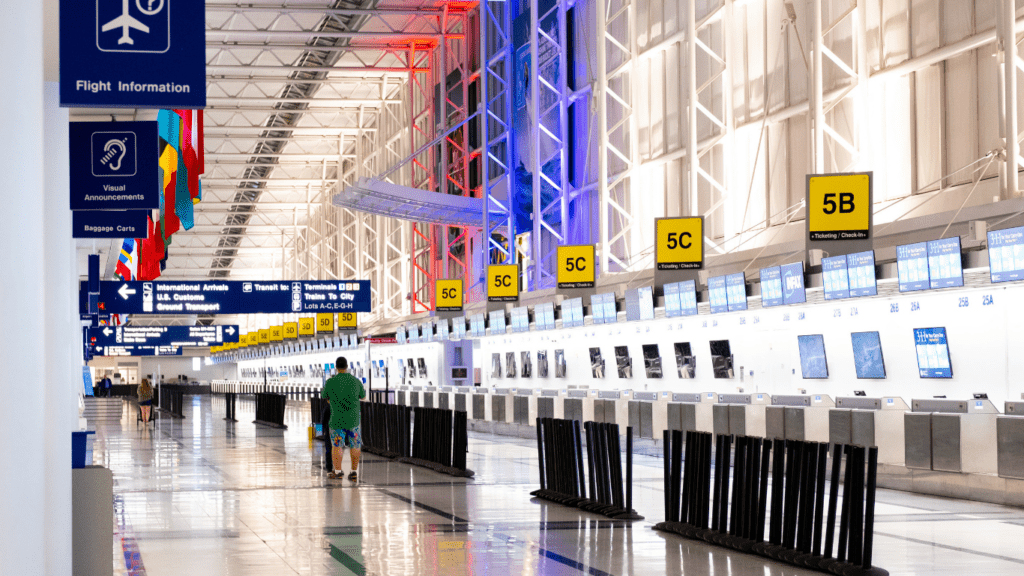
The airport experience is shedding its old skin. Long lines, fumbling with paper boarding passes, and repeating your ID details are becoming relics. In their place: tech that runs silently but effectively. Contactless check in lets you glide through the airport with a tap, while biometric boarding think facial recognition and fingerprint scans is trimming down gate times and human error. Add AI to the mix, and you’re looking at faster, smarter security checks that learn and adapt in real time.
Before you even get to the terminal, digital health passports and next gen travel apps are reshaping the pre flight ritual. Travelers can upload vaccination records, manage real time alerts, and reroute on the fly, all from one dashboard. It’s less about bells and whistles, and more about predictability and control.
Automation isn’t replacing humans outright it’s cutting the fluff and sharpening the essentials. Wait times drop. Efficiency climbs. The whole experience runs leaner, cleaner, and way less stressful.
Want a closer look? Explore airport tech innovations.
Greener Skies Are Taking Off
The aviation industry isn’t known for small carbon footprints, but that’s changing fast. Airlines are finally putting serious money into sustainable aviation fuel (SAF), which can drop emissions by up to 80% compared to traditional jet fuel. It’s not mainstream yet production is still scaling but it’s where the industry is placing its long term bets.
In the meantime, carbon offset programs have gone from a nice to have to a default part of the checkout screen. Passengers are being nudged toward making climate conscious choices with every booking. Some programs are legit, investing in reforestation or renewable energy. Others, not so much. Do a quick check before patting yourself on the back.
The shift also includes lighter, more fuel efficient aircraft, optimized flight paths to cut cruising time, and emerging tech like electric powered planes for short haul routes. For now, those electric jets are few and far between but they’re coming.
So what should mindful travelers look for? Prioritize airlines that disclose their SAF usage and sustainability goals. Choose direct flights where possible to reduce fuel burn. And don’t be shy about tweaking your travel habits greener choices are easier to make when you know what to look for.
Cabin Comfort Gets an Upgrade
Not too long ago, flying was something you endured. Now, airlines are betting that how you feel in the air matters as much as how fast you get there. Seat design is finally catching up to passenger expectations wider builds, adjustable headrests, and more legroom are becoming standard in premium economy and even some budget carriers.
Lighting is smarter too. Forget harsh fluorescents expect calming LEDs that shift based on time zone and flight stage, making jet lag a little less brutal. In flight entertainment is ditching clunky remotes for sleek, touchscreen systems with streaming level content libraries. Some airlines even let you sync your phone to the seatback screen.
But it goes beyond screens and sliders. Frequent flyers are being quietly tracked by preference, not name so that your favorite drink, preferred seat zone, or even sleep schedule can shape your experience. Think: data used for comfort, not ads.
There’s also a growing focus on quiet. Airlines are reworking cabin acoustics and ventilation designs to reduce noise and improve air circulation. Add in wellness features like stretch guides built into seatback screens or vitamin enriched lighting, and flying starts to feel a bit less like a chore and more like a reset. It’s not luxury it’s smart design one upgrade at a time.
Fare Models Are Shifting
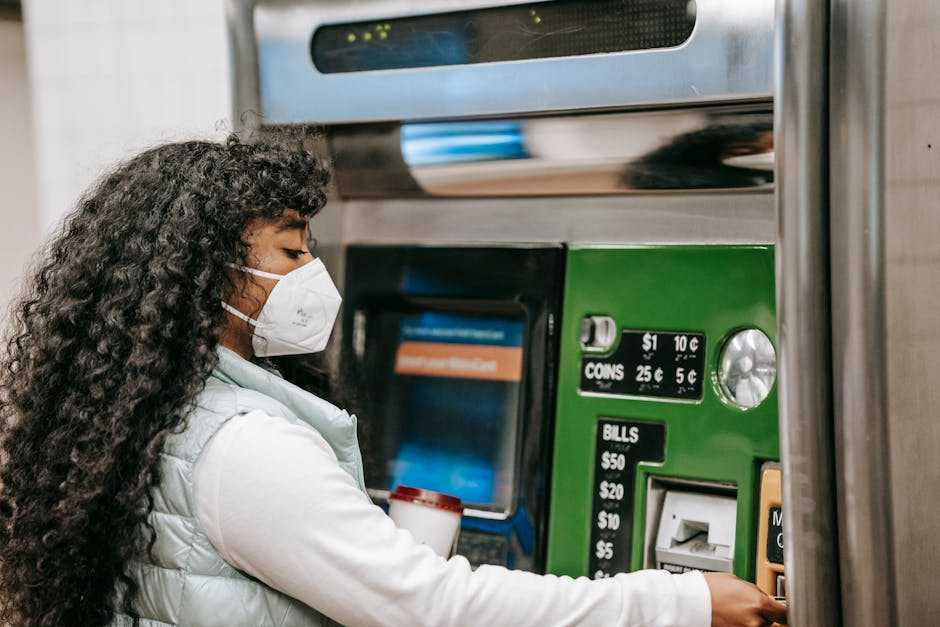
Gone are the days when your flight ticket included everything from checked bags to a hot meal and a slice of legroom. Now, most airlines have gone fully unbundled breaking down the cost so you pay for what you actually use. Want an aisle seat or to bring a carry on? That’s extra. It’s not ideal for everyone, but it gives travelers a custom fit approach to flying especially for those chasing the lowest possible fare.
Subscription based loyalty perks are also catching on. For a flat monthly fee, frequent travelers are getting priority boarding, waived change fees, or free snacks on the regular. It’s a shift from old school points systems and toward flexibility and convenience as a service.
At the same time, ultra low cost carriers are no longer just scrappy alternatives. They’re running tight, reliable operations with a major emphasis on safety and aggressive pricing. They’ve mastered the no frills model while still keeping the basics solid and passengers are noticing. If you’re a traveler who packs light and plans ahead, it’s never been easier or cheaper to stretch your miles.
Airports Getting Smarter and Faster
Airports are stepping up finally. The next gen terminal isn’t just about aesthetics. It’s about shaving off minutes and removing pain points. Smart terminals now offer real time updates, facial recognition at checkpoints, and one ID systems that link your boarding pass, ID, and biometrics into a single seamless process. Fewer lines. Fewer touchpoints. Just move.
Connectivity is also getting an overdue boost. With 5G rolling out in major hubs, travelers can expect faster speeds whether they’re streaming, working, or hunting down their gate while checking weather at the destination. Smart screens, responsive signage, and better app integration mean fewer announcements you can’t hear and more info when you need it.
It’s not just flash it’s function. And if this is a glimpse of what all airports could become, flying might finally feel like a connected, efficient experience instead of a series of annoying waits.
More on airport tech innovations here
Turbulence Ahead: What Flyers Should Watch
Even with incredible strides in travel technology and sustainability, there are still challenges that affect your flight experience. Operational hurdles continue to impact reliability, timelines, and customer satisfaction. Here’s what smart travelers should have on their radar in 2024.
Labor Shortages: The Quiet Strain
COVID 19 left long lasting effects across the airline workforce, and many carriers are still scrambling to fill positions. From pilots to ground staff:
Fewer staff means slower service, longer security lines, and delayed baggage handling
Canceled or rescheduled flights are more likely as pilot availability fluctuates
Customer service centers are under strain, making support harder to reach
Airspace Congestion: The Sky is Getting Crowded
With demand for air travel back on the rise, available airspace is becoming a premium commodity. Combine that with outdated routing systems and geopolitical constraints, and you get:
Slower flight schedules with added buffer times
More frequent airborne holding patterns and rerouted flights
Delays snowballing across airline networks when disruptions occur
How to Stay Agile as a Flyer
Travelers can’t control airline operations, but they can plan ahead to avoid major headaches. Here are practical ways to lessen the impact of disruptions:
Book flexible tickets: Choose fares with free rescheduling or easy cancellation policies
Buy travel insurance: Protect your trip from delays, lost baggage, and last minute cancellations
Use real time flight tracking apps: Stay informed and make fast decisions if plans change
Fly early in the day: Morning flights are less likely to be affected by rolling delays
Being proactive and informed is your best insurance policy when turbulence on the ground or in the sky strikes.
Staying Ahead in the Sky
Knowing the trends isn’t just for industry buffs it’s for anyone who wants to cut stress and boost value when they fly. When you understand what’s changing, from biometric check ins to dynamic fare pricing, you make better, faster choices. You skip lines. You avoid hidden fees. You don’t show up expecting 2010 air travel in a 2024 world.
Not all changes are built to last, though. Flashy upgrades like VR headsets in economy or cryptocurrency ticketing often get more hype than traction. Long term shifts? Think automation at security, smarter loyalty programs, and consistent investment in sustainable fuels. These trends are backed by dollars and data. They’re reshaping travel at the core.
Final tip: treat air travel like any smart habit. Stay a step ahead. Read the fine print. Know what the airlines are testing, what they’re investing in, and what they’re phasing out. The more you know, the smoother the ride.