Heatwaves, Rising Seas & Unstable Seasons
Tourism’s calendar is no longer something you can set your watch to. In regions like Southern Europe, Southeast Asia, and parts of the U.S., extreme temperatures are making traditional peak seasons shorter and less predictable. July in Rome? Sweltering. August in Bangkok? Borderline unbearable. Heatwaves aren’t just uncomfortable they’re dangerous. Tourists are dodging the hottest months, pushing travel into shoulder seasons or skipping destinations altogether.
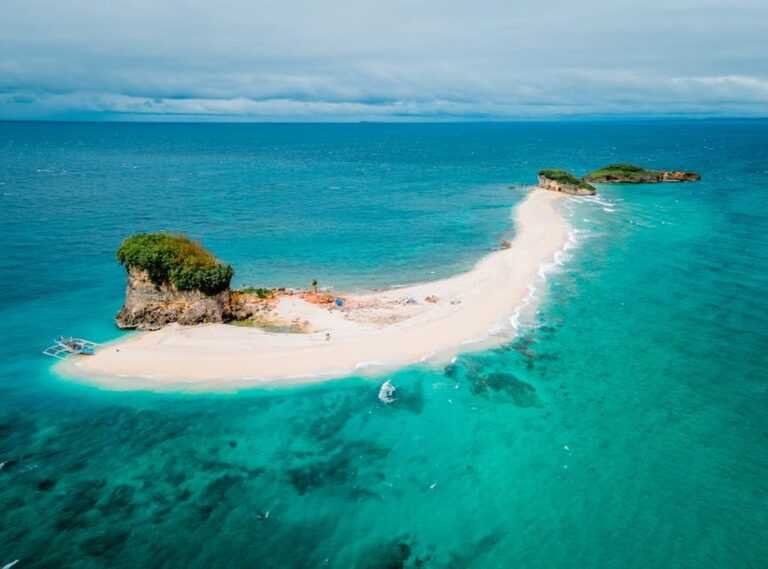
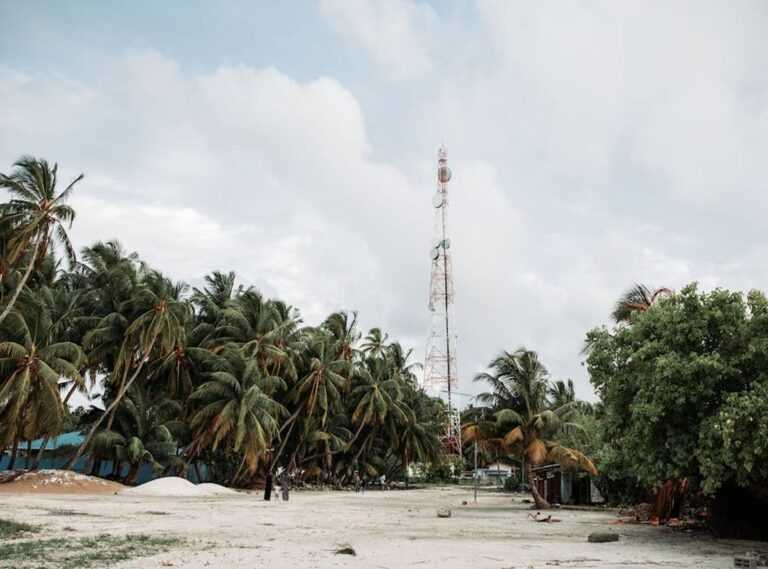
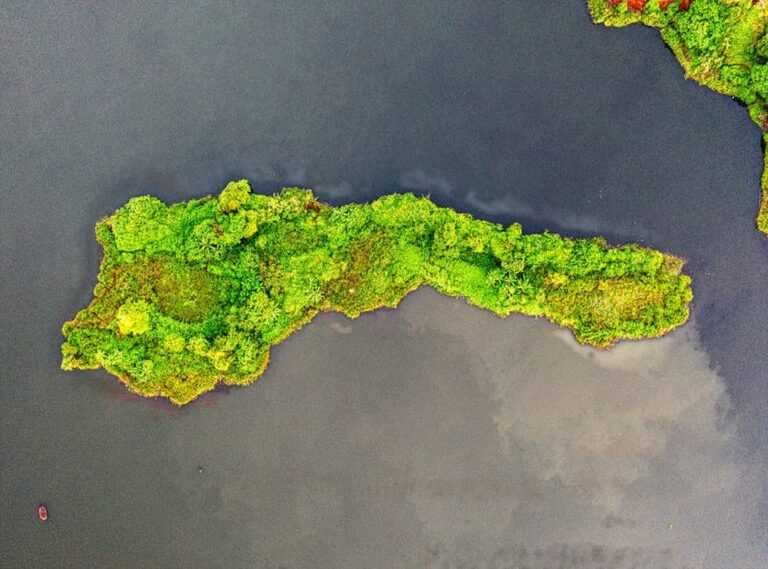
Coastal favorites aren’t faring much better. Rising sea levels are steadily eating away at the edges of spots like the Maldives, Venice, and Miami. Flooding is now part of the daily vocabulary in places where water used to be an amenity, not a threat. Travelers are seeing makeshift sea barriers and sandbags where cafés and beach chairs used to be.
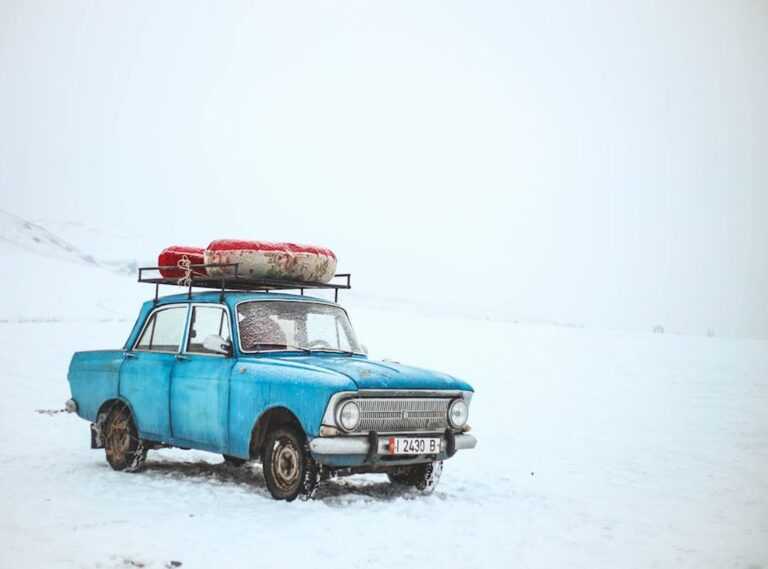
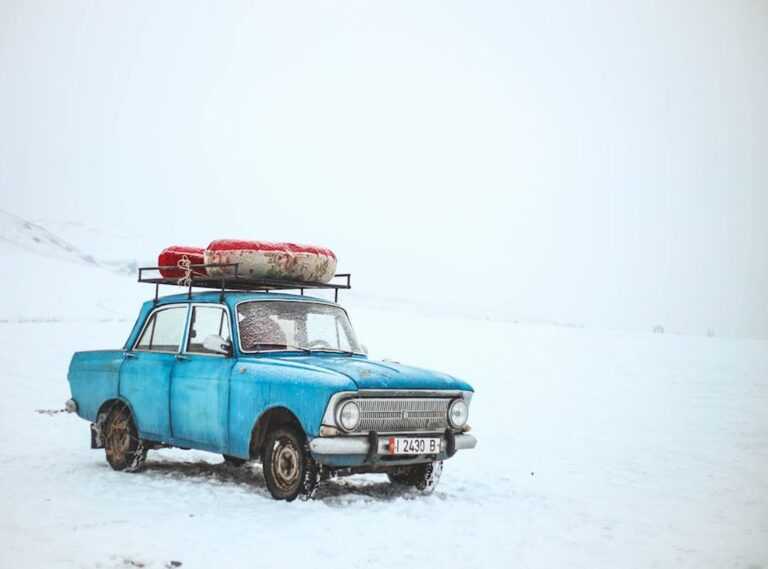
Then there’s the weather whiplash. Spring rains that never end, surprise snowstorms in April, dry spells cutting into fall foliage the weather isn’t playing by the old rules. Trip planning has turned into a gamble. Once reliable travel months now come with fine print and backup plans. For both tourists and the industry, this means rethinking when and where to go.
Nature’s Icons Under Threat
Some of the most iconic natural destinations on Earth are fading fast and tourists are noticing. The Great Barrier Reef, once teeming with vibrant coral and marine life, has experienced extensive bleaching events over the last decade. For divers and snorkelers, that means fewer colorful reefs and less sea life to discover. The damage isn’t just aesthetic. It signals major ecological shifts and raises hard questions about how long reef tourism can last.
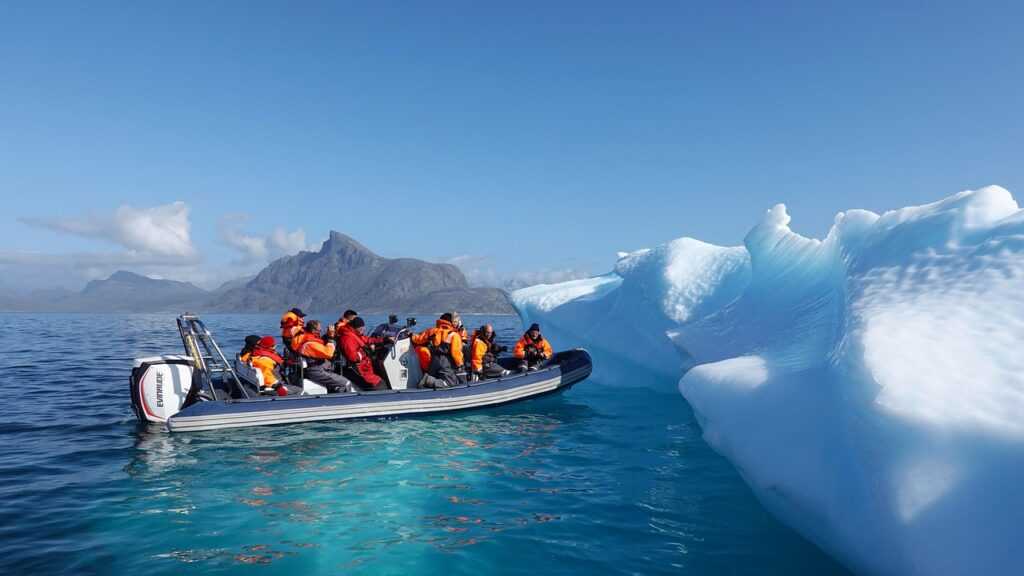
In colder regions, the story’s no better. Glaciers in the Alps and Patagonia are retreating at record speed. Once reliable ice fields are becoming streaks of rock and meltwater. Access is tougher, experiences are shorter, and the dramatic vistas tourists came to see are literally shrinking year by year.
Wildlife is also on the move. In African safari regions, species are shifting habitats or declining altogether due to rising temperatures, erratic rainfall, and habitat degradation. This not only reduces the diversity and spectacle for visitors but disrupts the delicate balance that makes these ecosystems work. For travelers seeking an authentic, wild experience it’s a growing challenge.
What used to be bucket list destinations are now cautionary tales, reminding us that environmental damage isn’t future tense it’s already changing what we see, where we go, and how we experience the natural world.
The Infrastructure Problem
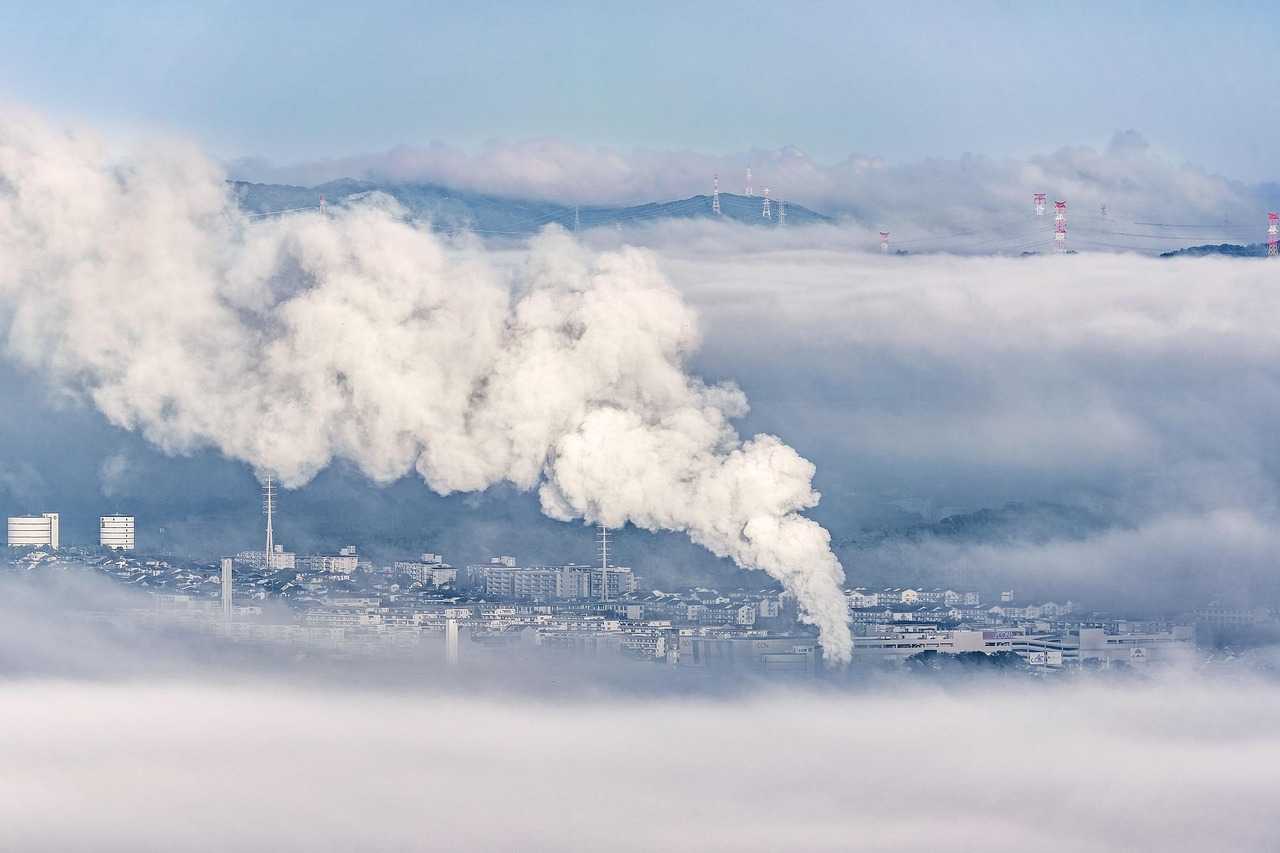
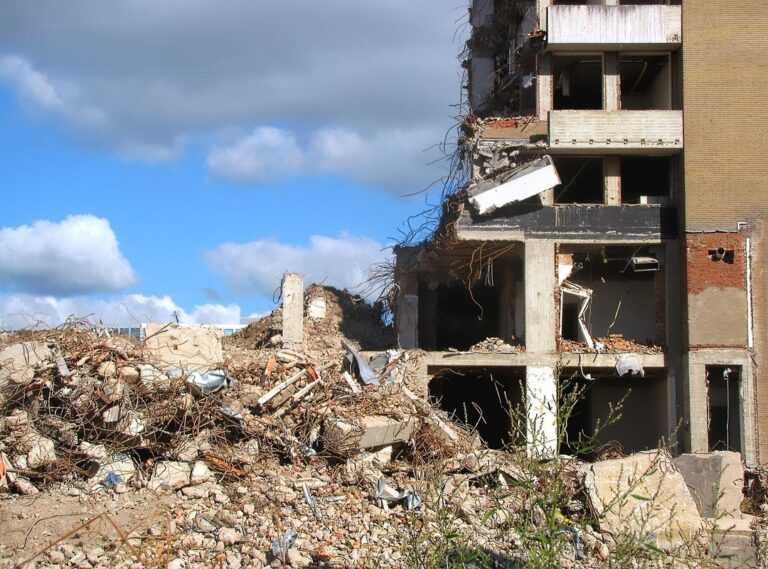
When climate hits hard, infrastructure cracks. Across mountain towns, coastal resorts, and national parks, floods and wildfires are putting serious dents in the tourism blueprint. Roads buckle under flash floods. Historic sites some centuries old are scorched, collapsed, or cordoned off. Resorts shut down mid season due to smoke threats or washed out access routes. And once it breaks, not everything gets rebuilt.
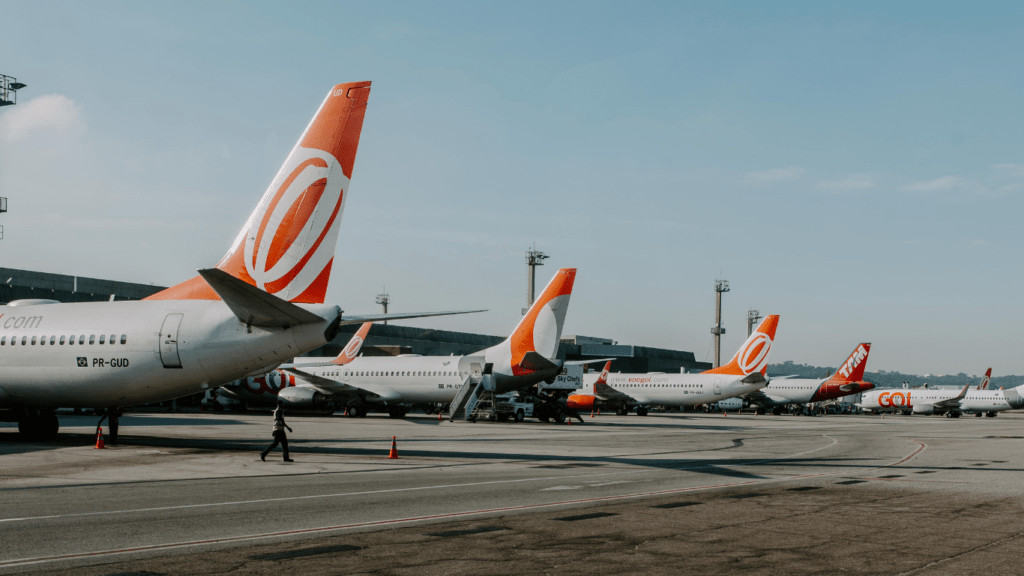
Transportation is taking the heat too. Airports face delays from heat waves and freak storms. Ski lifts in alpine zones grapple with wind damage and thawing ground stability. Traditional facilities built for a more stable climate are suddenly outdated.
Then there’s the cost. Insurance premiums are soaring or disappearing altogether, especially for properties in fire or flood zones. Local governments find themselves patching holes they can barely afford. What’s at risk isn’t just convenience it’s the long term viability of entire regions that rely on tourism dollars to stay afloat.
Travelers & Industry Are Pivoting
More travelers are asking hard questions before they book. Where does this flight’s emissions go? What’s the local community getting from my stay? That shift is pushing eco conscious travel into the mainstream not as a trend, but as a baseline expectation. Carbon offset programs are no longer a fringe detail; they’re front and center, often built into booking platforms and promoted as part of the itinerary.
Tour operators are responding. They’re rewriting routes to avoid climate vulnerable zones and cutting back on activities that strain local ecosystems. You’re more likely to see low impact hikes than heli tours. Accommodations are also getting an overhaul think solar powered lodges, farm to table meals, and plastic free policies baked into the experience.
And there’s a new spotlight on destinations that are actually doing the work. From Costa Rica’s carbon neutral strategy to Iceland’s geothermal energy tourism push, places that walk the talk are becoming models for sustainable travel. Vloggers and travel influencers are picking up on this momentum, turning their cameras toward locations that don’t just look good but do good, too.
Why This Matters Now
Climate change is no longer a distant concern it’s reshaping the world’s most iconic travel destinations in real time. While the visual beauty of these places is fading, the deeper issue is the erosion of their long term viability.
From Beauty to Breaking Point
Scenic coastlines, alpine retreats, and tropical islands are slowly becoming unrecognizable not just visually, but functionally. As heatwaves, rising sea levels, and erratic weather take hold, many destinations are being pushed beyond what they can withstand:
Some locations are becoming too hot for travel during peak months
Others are flooding more frequently, damaging infrastructure and natural habitats
Seasonal predictability the foundation of tourism is becoming unreliable
Economic Fallout for Local Communities
The livelihoods of millions depend on stable tourist seasons. When a destination faces climate disruption, the human cost is significant:
Fewer visitors mean lost income for small businesses, local guides, and workers in hospitality
Constant repair and adaptation costs strain local governments and economies
Community resilience is weakened when tourism dollars disappear
A Call for Transparency and Responsibility
As travelers become more aware of climate impacts, the demand for honesty and sustainability grows. Tourists want to make responsible choices but they need accurate information and better tools to guide them.
Key shifts include:
Transparent climate impact reporting from tour operators and booking platforms
Clear labeling of eco certified accommodations and experiences
Support for destinations investing in sustainable practices
Being informed isn’t just helpful it’s crucial for preserving the places people love to visit.
(Explore more: climate travel effects)