Get Closer to People, Not Just Places
One of the simplest yet most powerful ways to enhance your travel is by speaking even just a few words in the local language. It’s not about fluency it’s about effort, respect, and connection.
Why Local Language Matters
Breaks initial barriers quickly A greeting or thank you in the local tongue disarms discomfort and shows genuine interest.
Invites authentic interaction Locals are far more likely to open up when they hear you trying to speak their language, even imperfectly.
Builds trust in everyday moments Whether you’re at a street market or in a small village, effort goes a long way where English may not.
Real World Impact
Travelers often find that learning just a few essential phrases (hello, thank you, excuse me) transforms how they’re received. It turns you from spectator to guest, and from guest to friend.
Saying “hello” in a native dialect can turn a quiet market visit into a local tour
Asking simple questions creates meaningful exchange beyond tourist transactions
Start small, stay consistent and doors will begin to open all around you.
Discover Food Beyond Menus
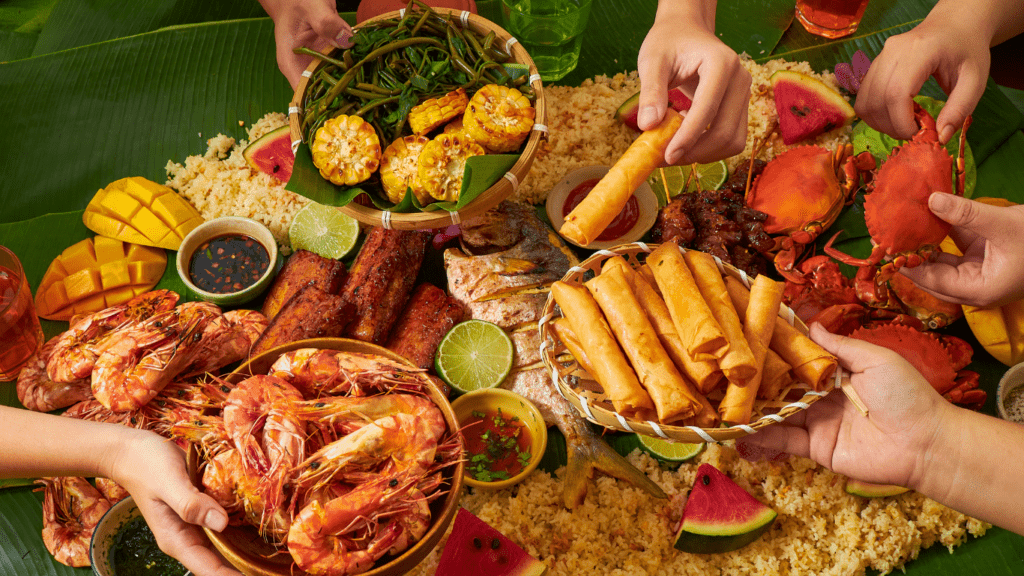
When you speak the local language, even just a bit, food transforms. Suddenly, you’re not stuck ordering the same dishes listed in tourist safe English. You ask what’s good today, and someone’s grandmother’s stew or a no name side of pickled something shows up and surprises you. These are the meals that never make the menu but tell the real story of a place.
More than taste, language connects you to the people behind the plate. A cook might stop what they’re doing to explain where the bread came from or why the soup only gets made on Wednesdays. You’re not just a customer anymore. You’re part of a conversation, part of the kitchen table.
For a deeper look at how food becomes culture through language, visit Explore Global Food Traditions.
Navigate with Confidence and Freedom
Translation apps are handy until they’re not. Spotty service, clunky phrasing, or missing a key nuance can throw off your entire day. When you know the basics of the local language, you’re not stuck waiting for a signal to figure out if the bus is going left or right. You ask, understand, and move.
Getting around becomes less of a gamble. Whether it’s reading signage, chatting with a driver, or asking for directions, you cut down on confusion. And when things go a little sideways, as they always do, you’ve got the tools to adapt. That means fewer moments of panic, more moments of confidence.
It’s also about safety. Being able to ask for help, recognize a warning, or explain a situation makes you less vulnerable in unfamiliar territory. You’re not just surviving a trip you’re owning it.
Gain Deeper Cultural Understanding
Language isn’t just a tool it’s a mirror of how people think, live, and relate to the world around them. When you pick up local expressions, you’re not just gaining vocabulary. You’re tapping into values, humor, and the tiny social cues that shape everyday life. You start to get why someone raises an eyebrow or laughs at something you’d usually miss.
It also helps you stay respectful. Cultural faux pas often come from not knowing how people frame things. Even simple phrases in the local language can help clue you in to social norms what’s considered polite, what’s off limits, and how to ask questions without sounding intrusive. Locals notice and appreciate that effort.
When you speak the language, at any level, you shift from being a tourist to being part of the moment. You’re no longer just watching you’re in the scene. And that changes everything.
Build Lifelong Memories and Stories
More Than a Transaction
When you speak even a bit of the local language, your travel experiences shift from basic exchanges to genuine connections. A simple “thank you” or attempt at pronunciation can turn a routine interaction into a shared moment.
Your efforts are often met with appreciation and encouragement
Locals are more likely to open up and engage in real conversation
These small moments can lead to deeper cultural insight and even friendship
Laugh, Learn, and Remember
Struggling through a menu or mixing up words might feel awkward in the moment but it’s these experiences that often become the most cherished:
Mispronunciations that lead to laughter and bonding
Unexpected conversations sparked by curiosity and kindness
Shared victories when you finally use a phrase correctly
Travel Moments That Stick
The stories you remember most from your trip usually come from unscripted, human interactions. It’s the driver who shared local history, the vendor who taught you how to say a dish just right, or the stranger who smiled at your efforts.
Language adds emotion to memory
These interactions anchor your experience in a way sightseeing can’t
They’re the stories you’ll retell long after the trip ends
More Than Travel Personal Growth
Learning the local language does more than help you order properly or find the nearest train station. It works your brain in ways that stick. You become faster at problem solving, more open minded, and better at riding the unexpected shifts that come with travel.
Each conversation, even the awkward or broken ones, turns into a lesson. Not from textbooks but from real life, real people. That kind of learning stays with you long after your passport is put away.
And here’s the quiet truth: you come back different. More patient. More intuitive. More aware that the world is wide and that you can find your place in it, wherever you go.
Final Tip: Start with Food Vocabulary
Why Food is the Perfect Starting Point
If you’re overwhelmed by where to begin with learning a new language, start with food. Culinary words are universal, engaging, and offer immediate rewards during your travels. Whether you’re ordering at a market stall or chatting with a local chef, knowing a few delicious terms builds confidence fast.
Food vocabulary is instantly useful and easy to practice daily
Meals are a shared cultural experience language bridges the gap
You’ll feel more engaged and less like a tourist
Build Your Basics: From Hello to What’s for Dinner
To expand your food related language skills naturally, combine it with essential conversation building blocks:
Start with simple greetings A friendly “hello” or “thank you” sets the tone
Move on to food and drink terms Learn how to order, compliment the chef, or ask for recommendations
Practice phrases you can actually use “What do you recommend?” or “Is this spicy?” can go a long way
Dive Into Food Culture
Language and food go hand in hand and together, they open doors into deeper cultural experiences. For an immersive journey through global flavors, check out this guide:
Explore Global Food Traditions